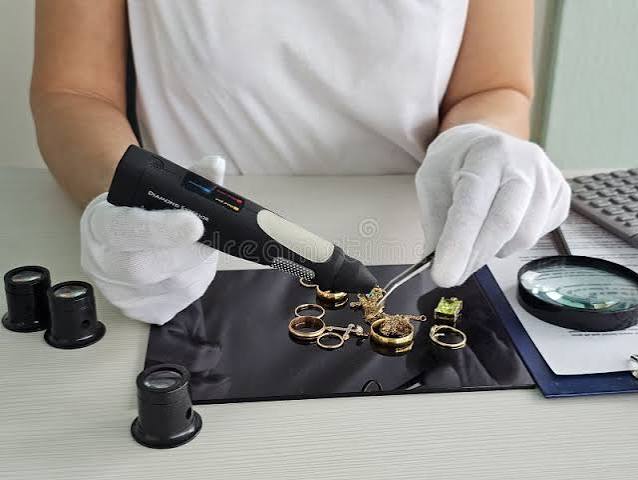
Hong Kong’s dynamic jewelry market, authenticity is the cornerstone of trust. With the increasing popularity of lab‑grown diamonds and simulants, the demand for reliable verification tools has surged. Two devices stand out as indispensable: the synthetic diamond detector and the best diamond tester. Together, they form a powerful duo that ensures every purchase is genuine, transparent, and trustworthy.
Synthetic Diamond Detector: Advanced Technology for Modern Challenges
A synthetic diamond detector is designed to differentiate natural diamonds from lab‑grown diamonds, which are chemically identical but differ in origin. By using advanced spectroscopic and optical analysis, the synthetic diamond detector identifies subtle differences in crystal growth patterns.
For jewelers in Hong Kong, the synthetic diamond detector is vital for maintaining credibility. It allows them to reassure customers that their diamonds are natural, protecting both reputation and customer loyalty. Buyers, too, benefit from the confidence that comes with knowing their investment aligns with expectations.
Best Diamond Tester: Quick and Reliable Verification
While the synthetic diamond detector provides deep analysis, the best diamond tester offers instant verification. A best diamond tester is a handheld device that distinguishes real diamonds from imitations such as cubic zirconia or moissanite by measuring thermal or electrical conductivity.
In Hong Kong’s fast‑paced jewelry scene, the best diamond tester is a daily necessity. Jewelers use it to provide immediate reassurance, while buyers rely on it to avoid costly mistakes. Whether in a luxury boutique in Central or a small shop in Mong Kok, the best diamond tester is the first line of defense against counterfeit stones.
Synthetic Diamond Detector and Best Diamond Tester: A Perfect Pair
When used together, the synthetic diamond detector and the best diamond tester create a comprehensive verification system. The best diamond tester quickly rules out obvious fakes, while the synthetic diamond detector confirms whether a diamond is natural or lab‑grown.
For example, a customer may bring in a diamond ring for evaluation. The jeweler first uses the best diamond tester to confirm that the stone is indeed a diamond. Then, the synthetic diamond detector is employed to determine whether it is natural or synthetic. This layered process ensures accuracy and builds customer trust.
Market Trends in Hong Kong
Hong Kong’s jewelry market is evolving rapidly. With the growing popularity of lab‑grown diamonds, buyers are more cautious than ever. Jewelers who invest in both the synthetic diamond detector and the best diamond tester are better positioned to meet customer expectations.
Transparency is highly valued in Hong Kong. Customers are increasingly aware of the differences between natural and synthetic diamonds, and they expect jewelers to provide clear, accurate information. The synthetic diamond detector and the best diamond tester are essential tools in meeting these expectations.
How to Choose the Best Diamond Tester
Selecting the best diamond tester requires careful consideration. Accuracy, portability, and durability are key factors. Some models rely on thermal conductivity, while others use electrical conductivity. Advanced versions combine both methods for higher precision.
Hong Kong jewelers often recommend investing in a mid‑range best diamond tester that balances affordability with reliability. Cheap models may save money upfront but can lead to costly mistakes later. A high‑quality best diamond tester ensures consistent results and builds long‑term trust.
The Future of Diamond Verification
As technology advances, both the synthetic diamond detector and the best diamond tester are becoming more sophisticated. Modern devices are capable of distinguishing between natural diamonds and lab‑grown ones with greater accuracy.
For Hong Kong’s jewelry industry, this evolution is crucial. The synthetic diamond detector and the best diamond tester will continue to play central roles in ensuring authenticity and transparency. They are not just tools; they are symbols of professionalism and trust.